An MLM (Multi-Level Marketing) scam is a deceptive business model disguised as a legitimate MLM company. While not all MLMs are scams, many operate as pyramid schemes, where the focus is more on recruiting new participants rather than selling real products or services.
How MLM Scams Work
- Recruitment Over Sales – You’re encouraged to recruit others rather than sell products. The more people you recruit, the more money you supposedly make.
- Expensive Buy-Ins – You must purchase products or starter kits, often at high prices, to participate.
- False Promises – They lure people in with claims of financial freedom and passive income but rarely deliver.
- Hard-to-Sell Products – The products are often overpriced, low quality, or unnecessary, making them difficult to sell.
- Unsustainable Structure – Since earnings depend on recruiting new members, eventually, the system collapses when new recruits stop joining.
Difference Between a Legit MLM & a Scam
✅ Legit MLM: Focuses on product sales, with commissions based on actual sales.
❌ MLM Scam (Pyramid Scheme): Focuses on recruitment, with most income coming from signing up new members rather than selling real products.
Examples of MLM Scams
- Bernard Madoff’s Ponzi Scheme (Not exactly MLM but similar in structure)
- WakeUpNow – Collapsed after people realized they couldn’t make money without constant recruitment.
- Zeek Rewards – Shut down for operating as a Ponzi scheme.
💡 How to Avoid MLM Scams
- Be wary of any company that emphasizes recruitment over product sales.
- Avoid those requiring large upfront investments.
- Research complaints and reviews.
- If it sounds too good to be true, it probably is!
Here’s how MLM agents (or recruiters) try to lure people into scams:
1. Emotional Manipulation
- They use success stories of people who supposedly made huge profits.
- They create a sense of urgency, saying it’s a “limited opportunity.”
- They play on financial struggles, promising “financial freedom” and a luxurious lifestyle.
2. Social Media Hype
- They post flashy cars, vacations, and money stacks to appear rich.
- They use hashtags like #BeYourOwnBoss #FinancialFreedom #PassiveIncome.
- They send random DMs on Instagram, Facebook, or LinkedIn, pitching “an amazing opportunity.”
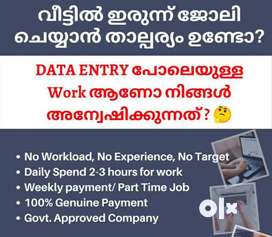
3. Fake Job Offers
- They advertise as “work-from-home” jobs or “business opportunities.”
- The job description is vague, often just saying “earn from anywhere” or “unlimited income potential.”
- They never reveal the company name at first—only after you show interest.
4. Free Seminars & Webinars
- They invite people to “business training” events.
- These meetings are high-energy, using motivational speakers to sell the dream.
- They pressure attendees into signing up immediately, claiming spots are limited.
5. Referral Pressure from Friends & Family
- A close friend or relative introduces you to the opportunity.
- They insist, “I trust you with this secret to success.”
- If you show doubts, they guilt-trip you by saying, “Don’t you trust me?”
6. Fake Celebrity & Influencer Endorsements
- They claim famous people support their business (often false).
- Some even create fake news articles or AI-generated images.
- Paid influencers make scripted testimonials about their “success.”
🚨 How to Avoid Falling for These Tactics
✅ Do your research – Google the company name + “scam” or “pyramid scheme.”
✅ Ask for financial proof – Legit businesses show real sales data.
✅ Check the compensation plan – If most earnings come from recruitment, it’s a scam.
✅ Trust your instincts – If it sounds too easy or too good to be true, walk away.